What is Single Serve Coffee?
Single Serve Coffee refers to coffee products designed for easy single - time drinking. They usually feature use and then disposal or single use. Common types include drip bag coffee, instant coffee, capsule coffee, concentrate coffee and bottled coffee.
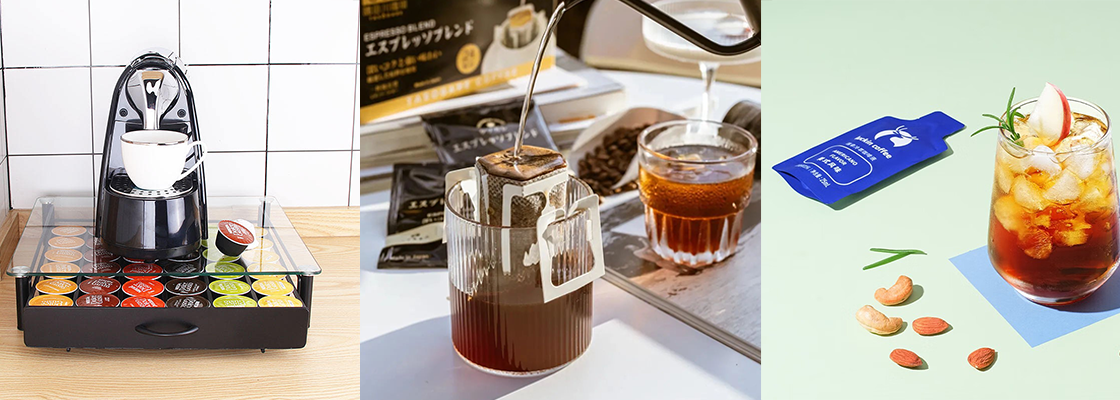
Ground coffee powder is packed in a filter paper bag.There are ear - hanging parts on both sides of the bag, so it can be hung on a cup. You can enjoy the coffee by pouring water to brew it. It can keep a certain coffee flavor and tastes similar to hand - brewed coffee.
It is made by freeze - drying or spray - drying technology. You just need to add hot water or cold water, and it can dissolve quickly. 3 - in - 1 is the most traditional instant coffee.
Capsule Coffee
Coffee powder is sealed in capsules.It needs to be used with a special capsule coffee machine.The coffee made in this way has stable quality and uniform flavor.
The cold brew coffee concentrate is made through a low - temperature and long - time extraction process. It tastes fresh and has low acidity. consumers need to add appropriate amount water or milk according with their Preferences.
Bottled Coffee
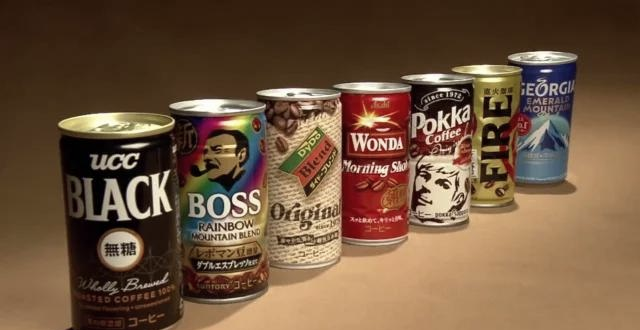
It comes in forms like bottles and cans. Before leaving the factory, the coffee has gone through processes such as brewing and sterilization. Consumers can just open it and drink. It can be bought in convenience stores, supermarkets and other places. It is easy to carry, so people can enjoy it anytime and anywhere.
Advantages of Single Serve Coffee
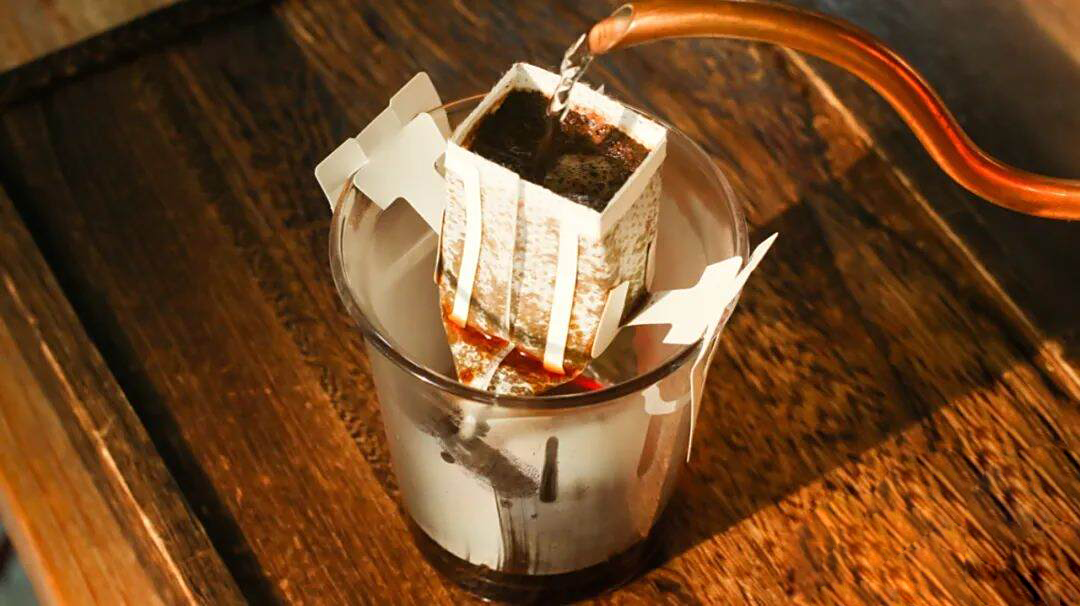
Extremely Convenient, Suitable for Different Scenarios
If you make coffee by hand, you might need a grinder, French press, electronic scale, thermometer, measuring spoon, milk frother, etc.Or you might have an expensive coffee machine to make a cup of coffee for you.
But if you choose single serve coffee, then you don't need professional tools or complicated operations, and it can meet your "immediate needs"
So you can enjoy coffee conveniently in various occasions, such as in the office, in the car, on the plane or even when camping.
Stable Flavor, Making It Easier to Choose
Standardized production: Single serve coffee manufacturers all control the proportion of raw materials and extraction parameters through industrial processes.
The difference in taste (acidity, bitterness, thickness) of each cup is very small.
This avoids the change in flavor of hand - brewed coffee caused by improper operation.
You can always choose your favorite coffee brand and flavor without worrying that it will not taste good one day.
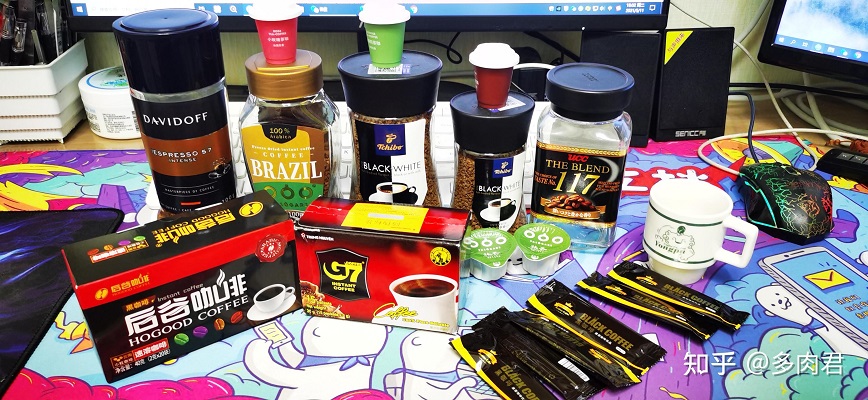
Easy to Store, Long Shelf Life
Single serve coffee has gone through high - temperature sterilization and packed in a aluminum foil bag or container.All these can keep air and moisture away, preventing coffee powder from oxidizing and going bad.
Unlike coffee beans, which need to be stored in a "dark, low - temperature and moisture - proof" place, single serve coffee can be stored at room temperature (when it is unopened).
It usually has a long shelf life (6 - 12 months for single serve types, 12 - 24 months for instant/drip bag types), so it is suitable for storing a lot for a long time.
Cheap Price
Traditional 3 - in - 1 instant coffee and single serve coffee cost usually less than $1 per cup and single serve drip coffee cost less than $2 each serve, while the average price of a cup of coffee in a coffee shop is $2-6.
Disadvantages of Single Serve Coffee
Weak Flavor Layers
This is the most important limitation of single serve coffee, which comes from the "compromise between raw materials and production processes":
Limited quality of raw materials: To control costs, most single serve coffee products (especially instant coffee and cheap single serve coffee) use "Robusta beans" or "low - quality Arabica beans". Some even add "coffee powder extract".
They don't have the layered flavors like "flower and fruit aroma, nutty aroma and caramel taste" that high - quality coffee beans have.
The "spray drying / freeze - drying" process of instant coffee destroys some volatile aroma substances. The "high - temperature sterilization" of single serve coffee may cause flavor oxidation.
Health Risks: Some Products Contain Additives and High Sugar
Traditional 3 - in - 1 instant coffee and flavored single serve coffee (such as mocha and latte flavors) often have additives like "non - dairy creamer (which may contain trans fatty acids), essence, sweeteners and stabilizers". Taking too much of these for a long time may increase the burden on the body.
To make the taste better, some single serve coffee (such as canned latte) has a high sugar content (each bottle may contain 15 - 25g of sugar, which is close to the "daily upper limit of 25g added sugar" recommended by the World Health Organization). Drinking this kind of coffee for a long time is not good for sugar control and weight management.
Environmental Pressure and Packaging Waste
The "convenience" of single serve coffee depends on a large amount of packaging, and most of the packaging is hard to decompose
The shells of capsule coffee are mostly made of plastic or aluminum
The filter paper bags of drip bag coffee have a "plastic coating" (you need to check if it can be decomposed).
The plastic bottles / aluminum cans of single serve coffee will also cause environmental pollution.
To improve the product's quality feel, some products use double - layer packaging of "independent small packages + outer boxes" (such as single - piece instant coffee powder and single - pack drip bags). This further increases the total amount of waste.
Some Rely on Special Coffee Maker
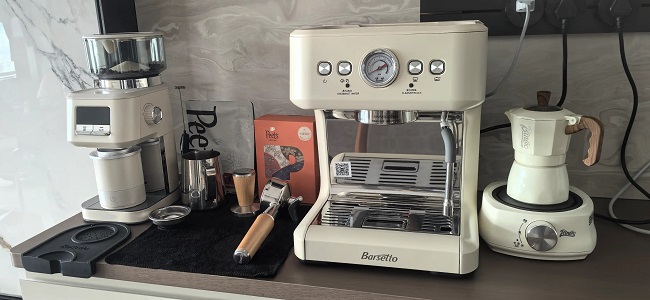
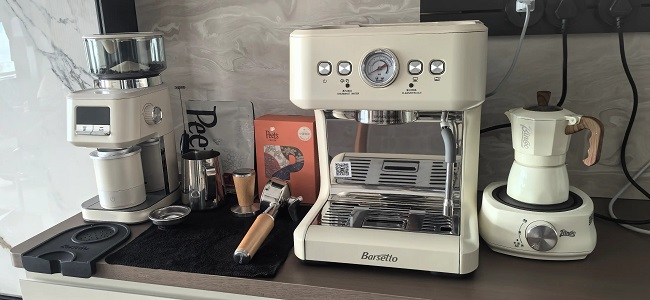
Capsule coffe must be used with capsule coffee machines of the corresponding brand (such as Nestle NESPRESSO and Starbucks Verismo). Capsules of different brands are not compatible. If you change the brand, you need to buy a new machine. This leads to the problem of "bundled consumption".
Some single serve cold brew concentrates: Although they can be drunk directly, some products suggest "diluting in proportion". If you don't have a measuring cup, the taste may be affected because of improper dilution.
Lack of the "Experience of Making Coffee"
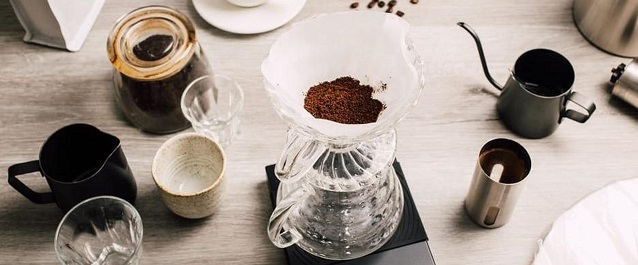
For coffee lovers, the process of "grinding beans, controlling temperature and pouring water" in hand - brewed coffee is a kind of "sense of ritual". They can explore different flavor possibilities by adjusting parameters. However, single serve coffee completely simplifies the "production process" and only keeps the "drinking" function. It loses the fun of "sense of participation" in coffee culture.
Innovation and Trend of Single Serve Coffee
More tastes
Manufacturers will launch many flavors (such as latte, mocha, hazelnut flavor, plant - based versions) to meet the preferences of different people.
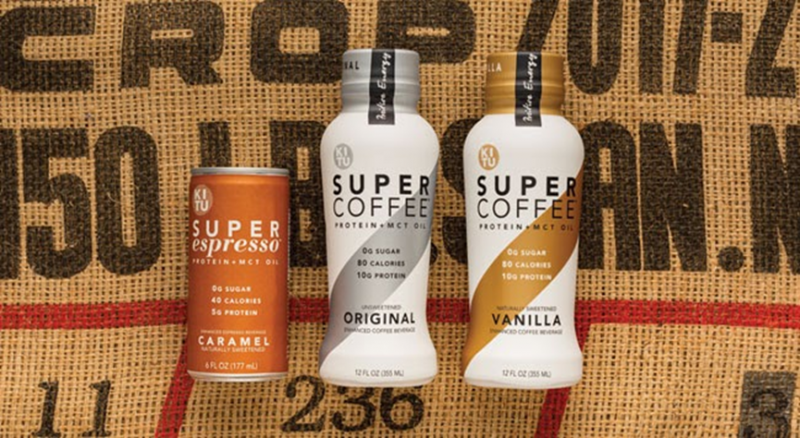
Functional Single serve Coffee
The annual growth rate of low - sugar and plant - based (oat milk, coconut milk) coffee products exceeds 30%.
Some brands have launched zero - sucrose and non - dairy creamer products. They attract young consumers through "health labels", and the sales proportion of related categories has reached more than 35%.
Probiotics are added to this kind of coffee. For example, Japan's UCC functional instant coffee contains 5 billion CFU of lactic acid bacteria per package. It helps to adjust the intestinal flora and promote digestion.
It is a kind of healthy functional coffee. Collagen is added to it, which meets consumers' needs of supplementing collagen while drinking coffee. It is helpful for skin care.
This type of coffee has dietary fiber added. For example, single serve coffee with double dietary fiber can increase the sense of fullness and promote intestinal peristalsis. It is suitable for people who need to control sugar or supplement nutrition. (Its proportion is expected to rise from 5% in 2023 to 18% in 2030.)
The caffeine content is reduced through a special process. Usually, the caffeine content is less than 0.1%. It is suitable for pregnant women, people who are sensitive to caffeine, or those who want to drink coffee at night but are worried about affecting their sleep.
It combines branched - chain amino acids (BCAA) with coffee. For example, a certain brand's BCAA - integrated coffee concentrate has an accurate BCAA content of 5.2g/100ml. Drinking it before exercise can increase the fat metabolism rate by 17%. It is suitable for fitness lovers.
Breakthroughs on Single Serve Coffee Technology
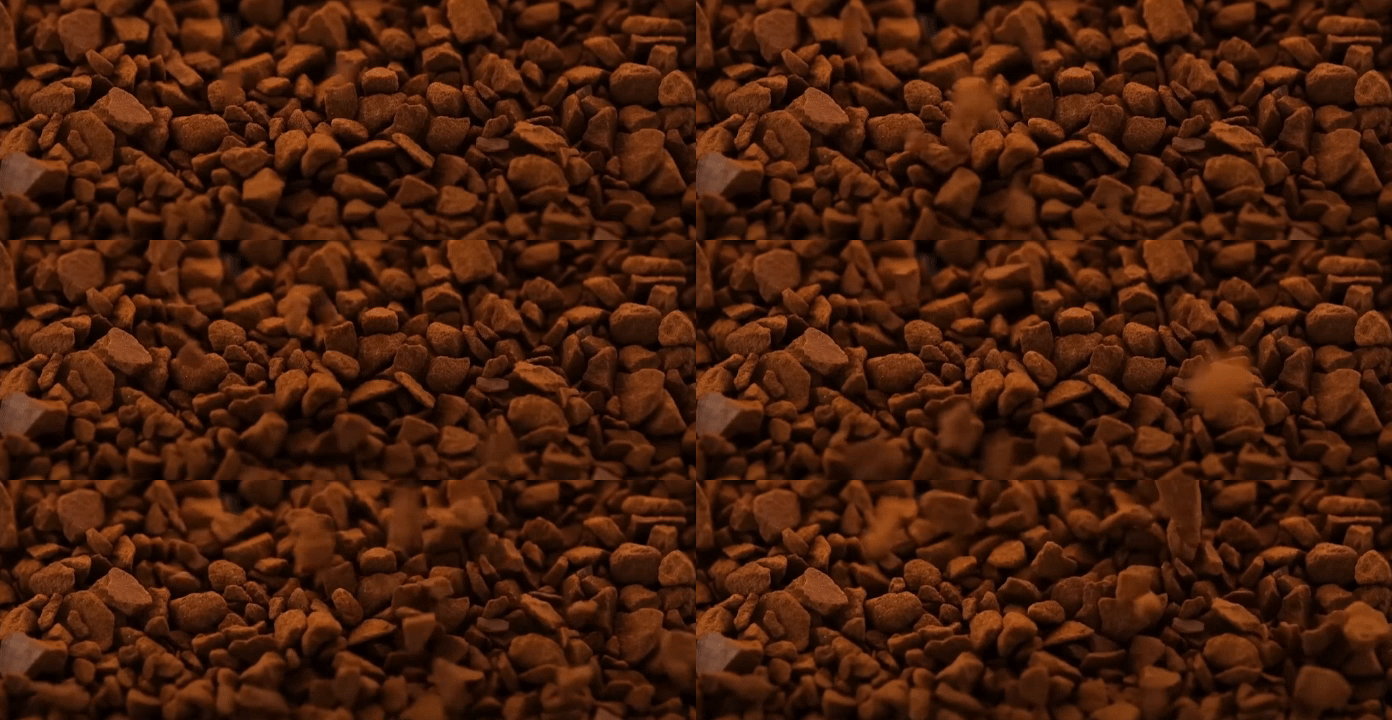
drying technology has increased the flavor retention rate of instant coffee by 40%. The cold brew process reduces aroma loss by 30%, which promotes the expansion of the market share of premium instant coffee.
Single serve coffee adopts low - temperature fresh - keeping technology.
The shelf life of nitrogen cold brew products is extended to more than 12 months, and the aroma retention rate is 25% higher than that of traditional high - temperature sterilization.
Capsule coffee achieves 3 - second instant dissolution through micro - grinding technology (particle size < 20 microns). Enterprises with technical patents can have a valuation premium of 30% - 45%.
Conclusion
Single serve coffee is a great choice for anyone who wants quick, easy coffee without the hassle. Whether you use pods, instant packets, or coffee bags, it lets you make one cup at a time—no waste, no mess. It’s not perfect (it can be pricey, and some packaging is bad for the planet), but there are easy fixes (like reusable pods or eco-friendly options).
If you’re tired of making big pots of coffee or waiting for a slow coffee maker, give single serve coffee a try. It’s simple, convenient, and there’s a type for everyone—whether you're at home, at work, or on the go.
FAQs About Single Serve Coffee
Is single serve coffee as tasty as regular coffee?
It depends on the type. Some coffee pods (like specialty or high-quality ones) taste just as good as regular brewed coffee. Instant coffee might taste a little different—some people like it, and some don’t. If you want better taste, try pods made with “specialty coffee” (high-quality beans) or coffee bags.
Can I make single serve coffee without a machine?
Yes! You don’t need a machine for instant coffee (just hot water), coffee bags (just hot water and a cup), or RTD coffee (just open and drink). These are great options if you don’t have space for a machine or don’t want to buy one.
Is single serve coffee bad for the environment?
Not always. Traditional pods (like plastic K-Cups) can be bad if they’re thrown away. But now there are eco-friendly options: biodegradable pods (they break down in landfills), recyclable pods (you can put them in recycling), and reusable pods (you wash and reuse them). Coffee bags and instant coffee packets also create less waste than plastic pods.
How long does single serve coffee last?
Coffee pods/capsules: Unopened, they last 6-12 months (check the expiration date on the package). Once opened, use them within a few weeks to keep the coffee fresh.
Instant coffee packets: Unopened, they last 1-2 years. Opened packets should be used within a month (store them in a dry, cool place).
RTD coffee: Unopened, it lasts a few months (check the date). Once opened, drink it within 1-2 days and keep it in the fridge.
Can I make specialty drinks (like lattes) with single serve coffee?
Yes! Some coffee machines (like Keurig K-Café or Nespresso Vertuo) have built-in milk frothers—so you can make lattes or cappuccinos with pods. There are also pods made specifically for lattes (they have coffee and a milk-based powder inside). If you don’t have a fancy machine, you can add milk or cream to regular single serve coffee to make a latte at home.